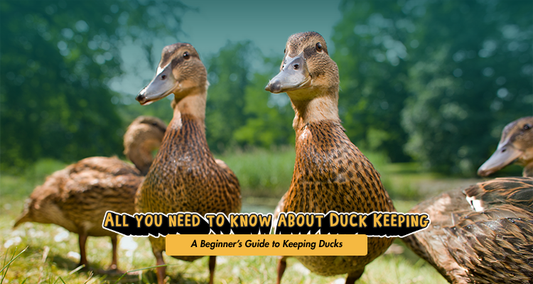
Choosing the best duck breeds for beginners is the first step towards a happy, productive backyard flock — and the good news is that ducks are generally hardier, calmer and easier to keep than chickens. If you're weighing up the best backyard duck breeds for eggs, friendliness or sheer charm, this guide walks you through eight easy duck breeds to keep, with the temperament, egg production and size details you need to choose with confidence.
Short answer: For most beginners, Khaki Campbells, Welsh Harlequins and Indian Runners are the best duck breeds for eggs, while Pekins, Buffs and Cayugas are the friendliest, calmest choices. Call Ducks suit small gardens, and Muscovies are the quietest option for built-up areas.
How to choose a duck breed as a beginner
Before you fall for a particular breed, think about what you want from your ducks and the space you have. A few simple questions make the decision easy:
- Eggs or pets? If you want a steady supply of eggs, look at the prolific layers (Khaki Campbell, Indian Runner, Welsh Harlequin). If you're after friendly garden companions, the calm breeds (Pekin, Buff, Cayuga) are hard to beat.
- How much space? Smaller breeds such as Call Ducks thrive in compact gardens, while active foragers like Indian Runners do best with room to roam.
- Noise levels? Female ducks of most breeds can be loud, so in a built-up area the much quieter Muscovy is worth considering.
- Climate? All eight breeds below cope well with the British climate, but cold-hardy breeds like the Cayuga shrug off frosty winters with ease.
Whichever you choose, every duck needs the same essentials: clean water for drinking and dabbling, daytime foraging space, and a secure, predator-proof house to sleep in at night. For a full grounding, our beginner's guide to keeping ducks covers everything from feed to housing.
1. Khaki Campbell — the best duck breed for eggs

Why they're great for beginners: Khaki Campbells are hardy, adaptable to most climates and famously prolific layers. They're friendly but independent, so they're easy to manage even for first-timers.
- Temperament: Curious and active, but not overly demanding
- Egg production: 250–300 eggs per year
- Size: Medium (roughly 2–2.3 kg)
2. Pekin — one of the friendliest duck breeds

Why they're great for beginners: Pekins are calm, gentle and easy to handle. They grow quickly and are well known as a meat breed, but they also lay reliably and make sociable, characterful pets.
- Temperament: Social and gentle
- Egg production: 200–280 eggs per year
- Size: Large (roughly 3.5–4 kg)
3. Call Duck — the best small duck breed for tight spaces

Why they're great for beginners: Small, playful and friendly, Call Ducks are perfect for limited space. Their distinctive high-pitched quack and entertaining antics make them a joy to watch — though that voice means they're best suited to gardens with understanding neighbours.
- Temperament: Sociable, curious and comical
- Egg production: 150–200 eggs per year
- Size: Bantam (roughly 0.5–0.7 kg)
4. Muscovy — the quietest beginner duck breed

Why they're great for beginners: Muscovies are far quieter than most duck breeds, which makes them ideal for suburban or urban gardens. They're hardy, low-maintenance and wonderfully adaptable.
- Temperament: Calm and independent, sometimes aloof but still friendly
- Egg production: 150–250 eggs per year
- Size: Large (drakes can reach 4.5–6 kg; hens are much smaller)
5. Cayuga — a hardy, beautiful duck breed for beginners

Why they're great for beginners: Cayugas are cold-hardy, easy to care for and excellent foragers. Their glossy, beetle-green-black plumage adds a touch of elegance to any flock, and they're friendly and calm by nature.
- Temperament: Friendly, calm and low-maintenance
- Egg production: 150–200 eggs per year
- Size: Medium-large (roughly 3–3.5 kg)
6. Welsh Harlequin — a friendly duck breed that lays well

Why they're great for beginners: Welsh Harlequins are gentle, social and excellent layers — a rare combination. Hardy across a range of climates and easy to care for, they're a reliable all-rounder for new duck keepers.
- Temperament: Gentle, social and playful
- Egg production: 250–300 eggs per year
- Size: Medium (roughly 2–2.5 kg)
7. Indian Runner — the most productive easy duck breed to keep

Why they're great for beginners: Indian Runners are remarkably productive layers, hardy and endlessly entertaining as they waddle upright and forage. They thrive with room to free-range and need very little fuss.
- Temperament: Energetic, inquisitive and friendly
- Egg production: 250–350 eggs per year
- Size: Medium, tall and slim (roughly 1.5–2.3 kg)
8. Buff — a calm, easygoing duck breed for beginners

Why they're great for beginners: Buff Ducks (Buff Orpingtons) are calm, affectionate and easy to handle. They're hardy, excellent foragers and adapt well to varied weather, which makes them a lovely choice for backyard flocks.
- Temperament: Calm, gentle and easygoing
- Egg production: 150–200 eggs per year
- Size: Medium-large (roughly 3–3.5 kg)
Housing your ducks: what beginners need to know
Whichever breed you settle on, secure housing is non-negotiable. Ducks are happiest outdoors during the day, dabbling and foraging, but they need a safe, dry, well-ventilated house to roost in at night — out of reach of foxes and other predators. A duck house isn't a daytime enclosure; think of it as their bedroom, with the real living space being the garden or run.
The Nestera Duck House is purpose-built for backyard flocks: made from durable recycled plastic with 9mm-thick walls, it's maintenance-free, easy to clean and resistant to red mite — all backed by a 25-year guarantee. As a rough guide, it comfortably suits a small starter flock of around three to five ducks, depending on breed size (larger breeds such as Pekins and Muscovies take up more room than slim Indian Runners or tiny Call Ducks). For more detail on what sets it apart, see what makes the Nestera Duck House stand out.
One last tip for new keepers: it's tempting to house ducks alongside chickens, but the two don't always mix well. Before combining them, read 6 reasons why you shouldn't keep chickens and ducks together.
Frequently asked questions
What are the best duck breeds for beginners?
Khaki Campbells, Pekins, Welsh Harlequins and Buffs are among the best duck breeds for beginners. They're hardy, even-tempered and easy to care for, with Khaki Campbells and Welsh Harlequins also being outstanding egg layers.
Which duck breeds lay the most eggs?
For the best duck breeds for eggs, look to the Indian Runner (up to 350 a year), the Khaki Campbell and the Welsh Harlequin (both 250–300 a year). These prolific layers easily out-produce most chicken breeds.
What are the friendliest duck breeds?
The friendliest duck breeds for beginners are the Pekin, Buff and Cayuga — all calm, gentle and easy to handle. Call Ducks are also very sociable, though noisier than the rest.
What's the quietest duck breed for a small garden?
The Muscovy is the quietest beginner duck breed, making only soft hisses and trills rather than loud quacks. That makes it the best backyard duck breed for suburban or urban gardens where noise is a concern.
Final thoughts
Choosing the right breed is the first step towards a successful and enjoyable duck-keeping journey. Whether you want a prolific egg layer, a friendly pet or a hardy forager, these beginner-friendly duck breeds offer a winning mix of productivity, temperament and charm for any backyard flock. Once you've picked your favourites, give them the safe, dry, predator-proof home they deserve with the Nestera Duck House — built to last 25 years and ready to welcome your first ducks.