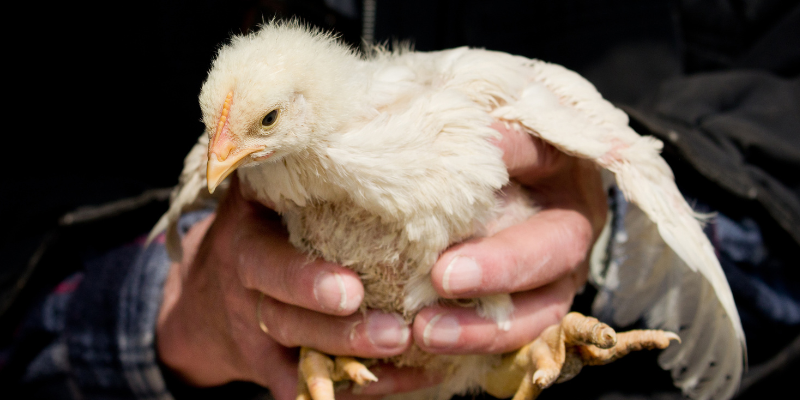
Learning how to clip chickens' wings is one of the simplest, kindest ways to keep a flighty hen safely on the ground and inside her run. Done correctly, wing clipping is completely painless — it's much like trimming your own hair or nails — and the feathers grow back at the next moult. In this step-by-step guide we'll explain exactly what wing clipping is, when (and whether) you need to do it, precisely which feathers to cut, how much to take, how to avoid blood feathers, and how to hold your bird calmly throughout.
Short answer: To clip a chicken's wings, trim only the long primary flight feathers on one wing, cutting them back to about the level of the shorter covert feathers. This unbalances flight so the bird can't gain height. It's painless, the feathers regrow at the moult, and you should never cut a blood feather (a young, growing feather with a visible vein).
What Is Wing Clipping?
Wing clipping means trimming the longest flight feathers — the primaries — on a single wing. By shortening the feathers on just one side, you unbalance the bird so it can't get enough lift to fly over a fence. The feather shaft you trim is dead tissue, exactly like the ends of your hair, so cutting it causes no pain and no bleeding. Because it's only a feather trim, it's entirely temporary: at the next moult your hen drops the clipped feathers and grows fresh full-length ones, restoring her flight until you choose to clip again.
Why and When Should You Clip a Chicken's Wings?
The main reason to clip is safety. A hen that flies over the fence can wander into a road, a neighbour's garden, or straight into the path of a predator such as a fox. Keeping her grounded keeps her safe and keeps the peace with the neighbours. Some breeds rarely bother — heavier birds like Brahmas, Cochins and Silkies are generally too bulky to take off — while lighter, athletic breeds such as White Leghorns, Hamburgs and many hybrids are enthusiastic flyers that will happily clear a low fence.
That said, clipping isn't always necessary. If your run is tall enough or covered, or your fencing is high, you may never need to clip at all. It's worth weighing the alternatives (covered below) before reaching for the scissors, and clipping only if your particular birds are genuinely escaping.
What You'll Need
- A pair of sharp, clean scissors (sturdy kitchen or poultry scissors)
- A calm, firm but gentle hold on your hen
- A helper, if you're not yet confident handling birds on your own
- Good light, so you can clearly see the feathers and spot any blood feathers
Step 1: Restrain Your Chicken Calmly
A calm bird makes the whole job easier and safer. Pick your hen up gently and hold her body against your forearm or chest, tucking her so she feels secure rather than trapped. Use one hand to support her and to keep both legs steady. If you're new to handling chickens, ask a helper to hold the bird while you concentrate on the wing — one person holding, one person clipping is the calmest set-up. Many hens settle quickly once held snugly and in dim, quiet conditions.

Step 2: Extend the Wing and Find the Right Feathers
Gently spread out one wing. You'll see a clear difference between the shorter covert feathers near the front edge and the long primary flight feathers at the tip — these long primaries are the ones you trim. Take a moment to look carefully along each feather before you cut.
Step 3: Check for Blood Feathers (Never Cut These)
This is the most important step. Before cutting, check every feather for blood feathers (also called pin feathers). A blood feather is a young, still-growing feather with a visible darker, reddish shaft running up the centre — that's a vein, and the feather has a live blood supply. Never cut a blood feather: it will bleed and cause your bird pain. Mature, ready-to-trim feathers have a clear or whitish hollow shaft with no vein. If a feather is young or growing, simply leave it and trim around it — you can always come back once it has matured. Working in good light makes blood feathers much easier to spot.
Step 4: Trim the Long Flight Feathers
With your sharp scissors, trim the long primary flight feathers back to roughly the level of the covert feathers above them — following that natural line gives a tidy, even result. Don't cut close to the wingtip or into the shorter feathers, and never go anywhere near a blood feather. A clean cut across the mature primaries is all you need; trimming about the outer half of these feathers is plenty to unbalance flight.
Step 5: Do You Clip Both Wings on a Chicken?
No — clip one wing only. Trimming a single wing is what unbalances the bird and stops it gaining height; clipping both wings actually keeps the bird balanced and can leave it still able to fly. Clip one wing first and see how your hen gets on. In the rare case that a determined flyer still escapes after a single-wing clip, you can reassess, but one wing is the right starting point for almost every bird.
Step 6: Release and Reassure
Once you've finished, pop your hen back down gently. She may look a little puzzled at first as she adjusts to her new balance, but she'll settle within minutes and carry on scratching and foraging as normal. Wing clipping doesn't stop her walking, running, dust-bathing or roosting — it simply takes the height out of her jumps.
How Long Does Wing Clipping Last?
Clipping is always temporary. The trimmed feathers stay short until your hen's annual moult, when she naturally sheds them and grows full-length replacements. After a moult she'll be able to fly again, so check her wings now and then and re-clip the new flight feathers once they've fully matured (and only once you've confirmed they aren't blood feathers).
Alternatives to Clipping Chickens' Wings
If you'd rather not clip at all, there are gentle alternatives that keep birds in without touching a feather:
- A taller or covered run. A secure, roofed or netted run gives your flock room to roam while removing any escape route — and it adds valuable protection from foxes and birds of prey. Our chicken runs use anti-chew solid steel weld mesh with a durable coating, making both flying out and tunnelling in extremely difficult. For ideas on roofing a run, see our guide to 7 ways to cover a poultry run.
- Higher or better-designed fencing. Raising your fence height or adding an inward-angled top can be enough to keep even keen flyers contained. Our guide on how to fence your chickens walks through the options.
- Good coop routine. Birds that feel settled and know where home is tend to stay put. If yours are reluctant to head in, our tips on getting new chickens to leave (and use) the coop can help.
A Note on Welfare
Wing clipping, done properly, is painless and stress-free, and it's a well-established, humane way to keep flighty hens safe. The two golden rules are: clip only mature feathers (never a blood feather), and keep your bird calm and supported throughout. If you're ever unsure, accidentally nick a blood feather and see bleeding, or your hen seems injured or unwell, stop and contact your vet or a qualified poultry specialist for advice.
Frequently Asked Questions
Does clipping a chicken's wings hurt?
No. Trimming the mature flight feathers is painless because the feather shaft is dead tissue, just like the ends of your hair or nails. The only feather that must never be cut is a blood feather (a young, growing feather with a visible vein), as that does have a blood supply.
Do you clip both wings on a chicken?
No — you clip one wing only. Trimming a single wing unbalances the bird so it can't gain height, which is exactly what you want. Clipping both wings keeps the bird balanced and can leave it still able to fly.
How do you clip a chicken's wings to stop it flying?
Restrain the hen calmly, extend one wing, check carefully for blood feathers, then trim the long primary flight feathers back to about the level of the covert feathers using sharp, clean scissors. Cutting one wing only is what stops the flying.
How often will I need to re-clip?
Clipped feathers last until the next moult, usually once a year, when your hen grows fresh full-length feathers. Check her wings periodically and re-clip the new primaries once they've matured.
Keep Your Flock Safe and Settled
Wing clipping is a quick, painless way to keep an escape-artist hen safely grounded — but a secure, comfortable home does just as much to keep your flock happy and where they belong. Explore our range of recycled-plastic Nestera chicken coops, built to be predator-resistant, easy to clean and maintenance-free, and pair one with a covered run for a setup your birds will never want to fly away from.