How to Keep Rats Away From Chickens
Learning how to keep rats away from chickens is one of the first things every new keeper worries about, and the good news is that rats are not inevitable. Chickens and rats often turn up together because a chicken set-up offers everything a rodent needs to thrive: spilled feed, stored feed, water and a warm, sheltered place to nest. Take those away and you take away the rats. This guide explains exactly why chickens attract rats and the practical, humane steps that stop rats in your chicken coop and run.
Short answer: Remove the food source. Feed only what your hens eat in a day, clear up spills, store feed in a sealed metal bin, lift feeders into the coop-free at night, keep the area tidy to remove harbourage, and choose a secure, elevated coop that rats cannot burrow under.
Why Do Chickens Attract Rats?
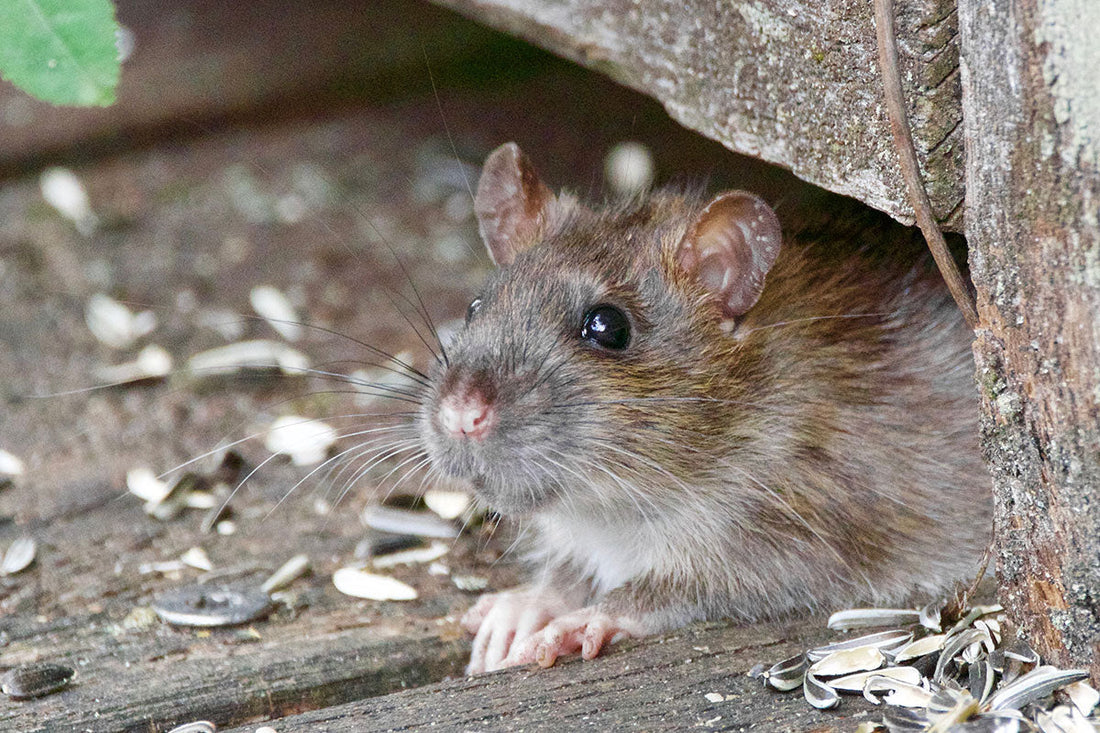
Rats need three things to survive: food, water and shelter. A chicken run can hand them all three. Spilled pellets and corn are an easy meal, drinkers provide water, and untidy corners, rubbish piles and the dark space beneath a traditional coop make perfect harbourage for nesting. Understanding this is the key to keeping rats away from chickens, because every prevention step below simply removes one of those three things.

Remove the Food Source to Stop Rats in the Chicken Coop and Run
The single most effective way to keep rats away from chicken feed is to make sure there is nothing left for them. Rats are drawn in by spilled and stored food more than anything else, so this is where to focus.
- Ration the feed. Only put out a day's ration at a time. A large hybrid hen eats around 150g of layers pellets a day, and bantams eat considerably less. Work out roughly what your flock gets through in a day and supply only that, so there is no surplus for rodents to find.
- Tidy up spills. Spilt food is a magnet for rats. A feeder suspended from a string sways gently, which stops hens from perching on it and flicking pellets onto the ground. Tie a loop in the string so you can hook it higher at dusk.
- Use treadle or anti-flick feeders. Treadle feeders that only open when a hen steps on the plate, and feeders designed to reduce spillage, keep pellets covered and off the floor where rats forage.
- Feed in the run by day, lift feeders at night. Many hoppers hold spare feed, so at dusk lift ground feeders and store them in a sealed bin or indoors until morning. Never leave a feeder inside the coop overnight, as it simply invites rats into your hens' sleeping quarters.
Store Feed in a Secure Metal Bin
Any feed that is not in use needs to be locked away. Rats chew through plastic with ease, so use a galvanised metal bin with a snug-fitting or locking lid. Site it in an outbuilding or on a solid surface such as a paving slab so rodents cannot burrow up underneath. A bin large enough to hold the whole feeder overnight makes the dusk routine quick and tidy.
We have all seen the old paintings of someone scattering corn from a bowl to a flock at their feet. That is fine on a hard-standing surface where any leftovers are easy to sweep up, but feed thrown on grass is easily missed by the hens and found instead by rats. If you live somewhere dry, consider lifting drinkers overnight too, so there is no easy water source either.
Keep the Area Tidy and Remove Harbourage
Shelter is the third thing rats need, and it is the one keepers most often overlook. Piles of rubbish, stacked timber, overgrown vegetation and cluttered corners all make ideal nesting spots close to the food supply. Keep grass short around the run, clear away rubbish, store equipment off the ground and leave nowhere quiet and dark for rats to settle. A tidy, open set-up is far less inviting than a cluttered one.
Choose a Secure, Elevated Coop With No Burrowing Access
Rodents love to nest under traditional chicken coops, where they find easy access to bedding, food and warmth all in one place. Choosing a coop with legs removes that harbourage entirely. Our Lodge and Raised coops sit clear of the ground, so there is no dark, sheltered void beneath for rats to colonise, and the elevated design leaves nowhere to burrow up into.

Nestera coops are made from 9mm-thick recycled plastic with smooth, easy-clean surfaces and large rear hatches, so spilled feed and droppings never build up into a food source for rodents. Removable roofs and detachable nest boxes make a quick weekly clean simple, and there are no nooks for rats (or red mite) to hide in. Each coop carries a 25-year guarantee and is UV-resistant and maintenance-free.
Manage Droppings and Bedding
Droppings and damp, soiled bedding can themselves attract rodents and other pests. Cleaning regularly removes both a food source and a reason for rats to linger. Droppings trays make it quick to slide out and empty waste each morning, keeping the coop dry and clean. Choosing the right bedding and changing it before it gets damp helps too. For the same reasons, a clean, dry set-up also helps with keeping flies down around your chickens.
Humane Deterrents and What to Avoid
If you spot a rat or two, reach for humane deterrents first. Rodents have an excellent sense of smell, and scents such as peppermint oil, cayenne pepper, black pepper and cloves are unpleasant to them. Hang small voile bags of these around the coop, out of reach of your hens, to help discourage rodents. Certain dogs and cats are also natural deterrents, provided they are well trained around your birds.
However tempting a quick fix may seem, do not put down rat poison yourself. Rats can carry the poison and leave droppings in your hens' run, and your birds or other pets can be harmed if they eat the poison or a poisoned rat. If you have an established infestation that prevention is not solving, contact a professional pest controller, who can deal with it safely around livestock. For more on keeping unwanted visitors away from the feed, see our guide on stopping wildlife from eating your chicken's feed.
Frequently Asked Questions
Why are rats attracted to my chickens?
Rats are not attracted to the chickens themselves but to the food, water and shelter that come with them. Spilled and stored feed, open drinkers and the warm, dark space under a traditional coop give rats everything they need. Remove those and the rats lose interest.
Will chickens keep rats away?
No. Chickens do not deter rats, and a chicken set-up often makes a garden more appealing to them. Keeping rats away depends on good husbandry: tidy feeding, secure feed storage and an elevated, easy-clean coop, not on the hens.
How do I keep rats out of the chicken coop at night?
Never leave feed inside the coop overnight, lift ground feeders into a sealed metal bin at dusk, and choose a coop raised on legs so rats cannot nest or burrow underneath. A door that closes the birds in at night also keeps the coop secure.
Is it safe to use rat poison near chickens?
No. Poison can be passed on through droppings or a poisoned rat and harm your hens and other pets. Always use humane prevention first, and call a professional pest controller for a serious infestation rather than laying poison yourself.
Keep Rats Away With a Secure, Easy-Clean Coop
Good habits stop rats before they start: ration the feed, clear the spills, store feed in metal and keep everything tidy. Pairing those habits with the right home makes it even easier. Our raised recycled-plastic chicken coops lift your flock clear of the ground, leave no harbourage for rodents and wipe clean in minutes, so keeping rats away from your chickens becomes part of the routine rather than a constant battle.