Electric poultry fencing is one of the most effective ways to protect free-ranging hens from foxes, and yet it is still misunderstood by many keepers. This beginner's guide explains what electric poultry netting is, how it works, how to set it up safely, and where its limits lie, so you can decide whether it's the right choice for your flock and your garden.
Short answer: Electric poultry fencing (also called electric poultry netting) is a movable mesh fence carrying a pulsed electric current. When a fox or other predator touches it, it receives a brief, sharp shock that acts as a deterrent, not a harm, keeping your hens safe while they free-range during the day.
What is electric poultry fencing?
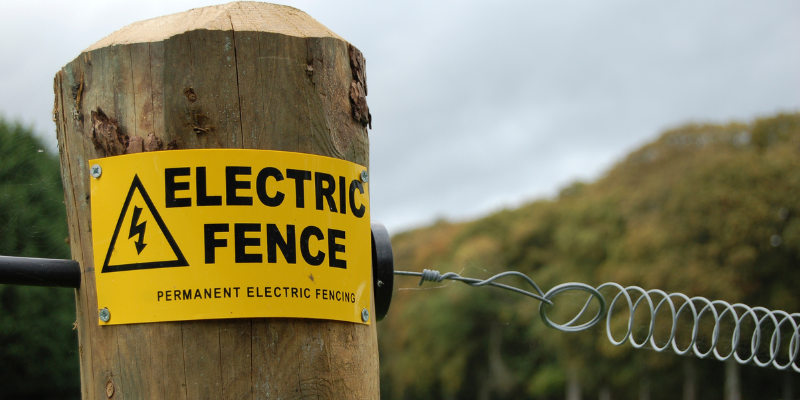
Electric poultry fencing is a lightweight mesh net, usually around 90–120cm (3–4ft) tall, made from thick nylon strands in black, green, white or orange. Black and green tend to look least obtrusive in a garden setting. It typically comes in 25m (75ft) or 50m (150ft) lengths, with built-in posts and metal spikes to fix it to the ground.
The mesh is formed of interlocking vertical and horizontal nylon strands. The horizontal strands also contain fine metal conductors, which are joined at each end of the netting to form a complete circuit. That circuit is what carries the pulsed current once the net is connected to an energiser.
Because the netting is freestanding and portable, you can arrange it around your chicken coop in any shape you like, though a circle or square is most common. Best of all, an electric poultry fence can be moved every few weeks to give your hens fresh ground, which makes it ideal if you have a large garden or a plot of land.

How does electric chicken fencing work?
The fence is connected to an energiser (sometimes called a fencer), which is powered by the mains or a battery. The energiser converts that power into a high-voltage, short-duration pulse that travels along the metal conductors in the netting several times a second. When a fox or other predator touches the live mesh, it completes the circuit through its body to the ground and receives a swift, sharp shock.
The shock is designed as a deterrent, not a harm: it is uncomfortable and memorable but very brief, so the animal backs off and learns to keep its distance. This is what stops predators climbing over or pushing under the fence. Foxes can clear a distance, such as a ditch, but struggle to jump heights without scrambling, and the live net discourages them from trying.
For the system to work, the energiser must also be connected to an earth stake (a metal rod driven a good distance into the ground). This earth, or "ground", completes the electrical loop when an animal makes contact. Many predators can even sense the faint field around a live fence and become reluctant to approach it at all.
One thing to watch in summer: in dry weather the soil conducts poorly, which weakens the shock. Watering around the earth stake periodically restores a good connection and keeps the fence working at full strength.
Why use an electric fence for chickens?
The single biggest reason UK keepers turn to electric poultry netting is the fox. Foxes are present in towns and countryside alike, they hunt by day as well as at night, and a determined fox will dig, climb or squeeze through ordinary mesh. A correctly set-up electric fence gives free-ranging hens a protected area to roam during daylight without you having to stand guard.
The other big advantage is flexibility. Unlike a permanent run, electric netting is quick to take down, move and re-pitch, so you can rotate your flock onto fresh grass, rest muddy patches, and shape the enclosure to fit your space. For anyone with a large garden or paddock, it's a far cheaper way to fence a big area than building a fixed run. If you're weighing up your options, our guide on how to fence your chickens compares the main approaches side by side.
How to set up electric poultry netting
Setting up an electric fence for chickens is straightforward once you know the essentials:
- Choose your site. Pick reasonably level ground and plan the shape before you start. Place the energiser and battery near the point where you'll enter, so you can disconnect and reconnect quickly each time.
- Keep grass off the line. The fence will try to complete its circuit through anything it touches, including long grass, which drains power and weakens the shock. Trim or flatten the grass along the fence line before you pitch it. A roll of damp-proof course laid under the net works well: push the posts and stakes through it to insulate the netting from the ground.
- Add extra support stakes. The built-in posts can sit quite far apart, and the guy ropes that keep them taut are a trip hazard. An inexpensive pack of fencing stakes, placed halfway between the proper posts, keeps the net upright and the lines tighter, with fewer ropes to catch your feet.
- Fit the earth stake. Drive the earth rod well into the ground and connect it to the energiser. Remember to water around it in dry spells.
Mains, battery or solar energiser: which to choose?
Energisers come in three power types, and the right one depends on your site:
- Mains energisers are the most powerful and reliable, ideal if your fence is within reach of an outdoor socket.
- Battery energisers suit gardens and paddocks away from power. Avoid single-use batteries, which need frequent replacing and quickly become expensive and wasteful. Instead, look for a "use one, charge one" system: you get two rechargeable batteries and a small charger, and swap them over weekly. They're light, easy to carry, and far kinder than hauling a car battery around.
- Solar energisers pair a panel with a rechargeable battery, topping themselves up in daylight. They're a low-maintenance choice for remote spots, though performance dips in dull winter weather.
Is electric poultry fencing safe?
In the right setting, electric fencing is very safe. The pulse is brief and low-current by design, so a single contact is painful but not dangerous to a healthy person or pet. To enter the enclosure you'll either step carefully over the net or use a purpose-made insulated gate.
That said, a few sensible precautions matter:
- Children and pets: never pitch electric fencing in a small garden where young children play close to it. One shock won't be fatal, but it will hurt. Dogs, cats and children who do touch a live fence rarely do it twice, so site it where casual contact is unlikely.
- Other livestock: electric poultry netting can be dangerous near horned sheep or goats because of the risk of entanglement. Keep it well away from them.
- Easy isolation: position the energiser where you can switch it off quickly before stepping into the run.
What about my hens flying out?
Some breeds are flightier than others, and an open-topped fence can be a challenge for them. White and blue eggers tend to be adventurous, so an aviary-style covered run may suit them better. Brown eggers, larger fowl and most bantams such as pekins and silkies are usually quite content to stay inside the netting and don't go looking for greener grass elsewhere.
If keeping birds in (or aerial predators out) is a concern, our roundup of 7 ways to cover a poultry run walks through the pros and cons of each option.
Can I electrify an existing fence?
Yes, and quite easily. Electrifying a fence you already have is a great way to boost protection for less outlay. On a short existing fence, run single strands of electric wire or ribbon on insulating brackets, set at several heights and especially near the top and bottom where predators test for weak spots.
This setup still needs the same three essentials as a full net: a power supply, an energiser and an earth stake. The one part that takes a little planning is the gate, so work out how you'll keep the live line continuous across the opening.

The limits of electric fencing: it isn't a coop
Electric poultry netting is excellent for daytime free-ranging, but it is not a substitute for a secure coop at night. Foxes are at their boldest after dark, batteries can run flat, grass can short the line, and a net is far easier to breach than solid walls. Your hens still need to be shut into a strong, predator-proof coop every evening to roost safely.
That's where timing matters too. Knowing the best time to put chickens in the coop each evening means your flock is locked away before the fox is on the prowl. The electric fence protects them by day; the coop protects them by night.
Frequently asked questions
Does an electric chicken fence hurt the birds?
No. The fence delivers a brief, sharp pulse that startles rather than injures, and it's a deterrent to predators rather than something your hens come into regular contact with. Most birds quickly learn the fence line and keep clear of it.
Will electric poultry fencing keep foxes out completely?
A well-maintained electric fence is a very strong daytime deterrent, but no fence is 100% foolproof. Keep the line clear of grass, the battery charged and the earth stake working, and always shut your hens into a secure coop at night for full protection.
What power supply do I need for electric poultry netting?
You need an energiser run from the mains, a rechargeable battery, or a solar unit, plus an earth stake. Mains gives the most reliable power; battery and solar are best where there's no socket nearby. A "use one, charge one" battery pair is the most practical option for most gardens.
How often should I move my electric fence?
Move it whenever the grass inside gets worn or muddy, often every few weeks. Rotating onto fresh ground keeps the area cleaner, reduces parasite build-up and gives your hens new things to forage.
Keeping your flock safe, day and night
Electric poultry fencing gives your hens the freedom to range safely by day, and a flexible, movable enclosure that fits gardens of almost any size. Paired with the right energiser and a little grass management, it's one of the best defences against the UK fox. Just remember it works best alongside a secure home to roost in: explore our recycled-plastic chicken coops, built with 9mm-thick walls, a 25-year guarantee and predator-proof security, so your flock is protected the moment the fence comes down each evening.